
What Is PTA Welding and Why Is It Used in Plastic Processing Screws?
2026.06.05
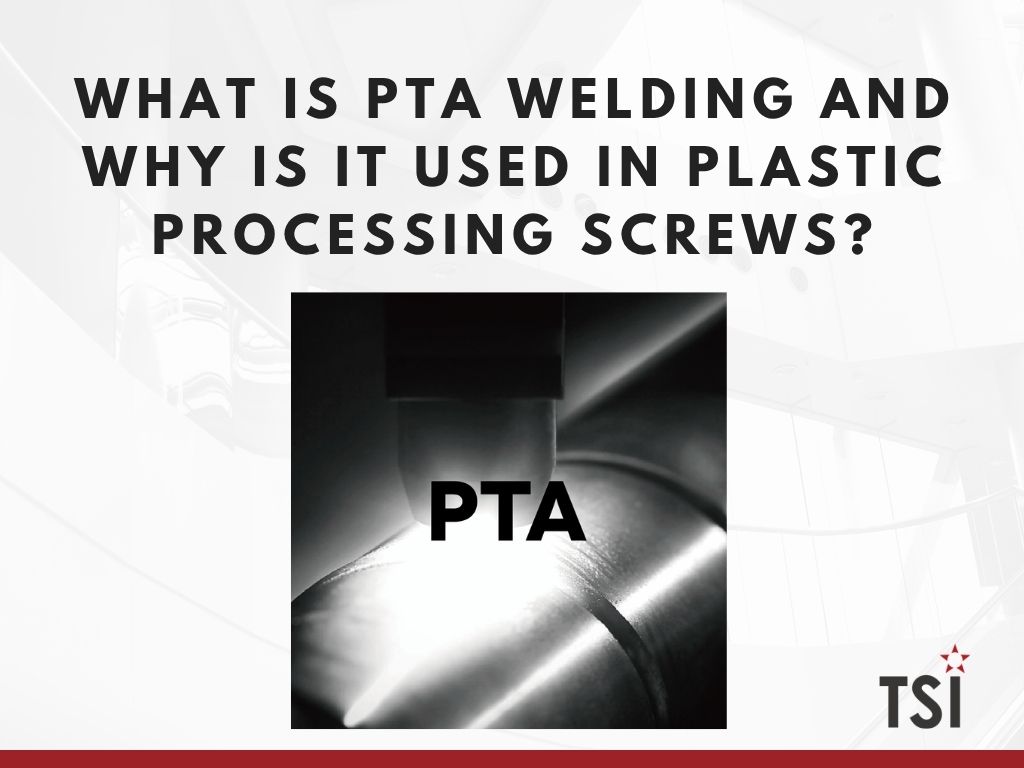
In today's plastics processing industry, manufacturers are continuously challenged by increasingly demanding materials. Engineering plastics, glass-fiber reinforced compounds, flame-retardant formulations, and recycled materials all place greater stress on processing equipment than traditional resins. Among the components most affected by these conditions is the screw, which is responsible for conveying, compressing, melting, and homogenizing plastic materials throughout the production process.
As screw surfaces are exposed to constant friction, pressure, and elevated temperatures, wear and corrosion can gradually reduce processing efficiency and shorten component lifespan. To address these challenges, many manufacturers utilize PTA Welding (Plasma Transferred Arc Welding) to strengthen critical screw areas and improve long-term performance.
As a manufacturer specializing in screws, bimetallic barrels, and surface engineering technologies, TAN STAR INDUSTRIES INC. provides PTA Welding solutions designed to help processors improve durability and maintain stable production performance in demanding plastic processing environments.
What Is PTA Welding?
PTA Welding, or Plasma Transferred Arc Welding, is a surface enhancement process that uses a high-energy plasma arc to deposit alloy materials onto a component surface.
During the process, the plasma arc generates intense heat that melts both the alloy powder and a thin layer of the base material. Once solidified, the deposited alloy forms a metallurgically bonded layer that becomes an integral part of the component rather than simply adhering to the surface.
This metallurgical bond is one of the key advantages of PTA Welding. Because the alloy layer is fused directly to the substrate, it provides excellent durability and resistance to wear under demanding operating conditions.
For plastic processing screws, PTA Welding is commonly applied to the screw flights, where material contact and wear are most severe. By strengthening these critical areas, the screw can maintain its performance for a longer period of time.
PTA Welding is particularly suitable for plastic processing screws because the process creates a durable protective layer while preserving the structural integrity of the component. For manufacturers processing reinforced plastics, engineering compounds, or abrasive materials, PTA Welding offers a practical solution for extending screw service life without compromising processing efficiency.
Why Do Plastic Processing Screws Wear Out?
Many processors assume that screw wear occurs simply because of operating hours. In reality, the characteristics of the material being processed often have a much greater impact on screw lifespan.
Modern plastic formulations frequently contain additives and fillers that increase wear on processing equipment, including:
- Glass fibers
- Mineral fillers
- Calcium carbonate
- Talc
- Flame-retardant additives
- Recycled material contaminants
These materials continuously interact with the screw surface during processing. Over time, the screw flights may gradually lose material, affecting conveying efficiency and melt consistency.
In many modern plastic processing applications, screw wear is no longer caused solely by operating hours. Material formulations have become increasingly complex, often containing reinforcing fibers, mineral fillers, recycled content, or flame-retardant additives.
These materials can gradually affect screw performance by increasing friction, accelerating abrasion, or exposing metal surfaces to more aggressive processing conditions. As wear progresses, processors may experience reduced throughput, inconsistent melt quality, and more frequent maintenance requirements.
This is one of the primary reasons why many manufacturers choose enhanced screw technologies such as PTA Welding.
How PTA Welding Improves Screw Performance
The primary purpose of PTA Welding is to strengthen the areas most vulnerable to wear and corrosion.
By depositing a specialized alloy layer onto the screw flights, PTA Welding provides several important performance benefits.
Enhanced Wear Resistance
One of the biggest advantages of PTA Welding is improved wear resistance.
The deposited alloy layer helps protect screw flights from continuous abrasion caused by reinforced plastics and filled materials. This allows the screw to maintain its geometry and processing capability over longer production cycles.
For processors handling glass-fiber reinforced plastics, maintaining screw flight integrity is particularly important because excessive wear can directly affect material conveying and production efficiency.
Improved Corrosion Protection
Certain alloy systems used in PTA Welding are designed to provide enhanced corrosion resistance.
Materials containing corrosive additives or those processed under aggressive operating conditions can gradually attack screw surfaces. PTA Welding helps protect critical areas of the screw and reduce the effects of chemical degradation.
Strong Metallurgical Bond
Unlike some surface treatment methods, PTA Welding creates a metallurgical bond between the alloy layer and the base material.
This strong bond allows the protective layer to withstand demanding operating conditions and provides reliable long-term performance.
Extended Component Lifespan
By improving both wear resistance and corrosion protection, PTA Welding can significantly extend screw service life.
Longer component life can contribute to:
- Reduced maintenance frequency
- Lower replacement costs
- Less production downtime
- Improved operational efficiency
Maintains Processing Consistency
As screw flights wear, material conveying efficiency can gradually decline. This may lead to inconsistent melting behavior, unstable production conditions, and variations in product quality.
By protecting critical wear areas, PTA Welding helps maintain screw geometry for longer periods of time, allowing processors to achieve more stable production performance throughout the component's service life.
PTA Welding vs. Standard Screws
The difference between a standard screw and a PTA welded screw becomes increasingly noticeable as processing conditions become more demanding.
| Feature | Standard Screw | PTA Welded Screw |
|---|---|---|
| Wear Resistance | Moderate | High |
| Corrosion Resistance | Material Dependent | Enhanced |
| Service Life | Standard | Extended |
| Suitable for Glass Fiber Materials | Limited | Excellent |
| Maintenance Frequency | Higher | Lower |
| Long-Term Cost Efficiency | Moderate | Higher |
For processors working primarily with commodity plastics, standard screws may provide sufficient performance. However, as material formulations become more demanding, wear-related maintenance costs can increase significantly.
PTA welded screws are often selected when manufacturers need to improve durability, reduce downtime, and maintain production consistency over extended operating periods.
Choosing the Right PTA Welding Solution
Different processing environments require different performance characteristics. TAN STAR offers multiple PTA Welding alloy systems to help manufacturers select a solution that matches their application requirements.
PTA Welding S-59 #12
Designed with a cobalt-based alloy system, S-59 #12 focuses on corrosion resistance and is suitable for applications where chemical attack is a primary concern.
PTA Welding S-59 #56
Featuring a nickel-chromium alloy system, S-59 #56 provides a balanced combination of wear resistance and corrosion protection, making it suitable for a wide range of engineering plastic applications.
PTA Welding S-59 #88
Utilizing a nickel-chromium-tungsten alloy system, S-59 #88 is designed for applications requiring enhanced wear resistance, particularly when processing reinforced plastics containing glass fiber.
By selecting the appropriate alloy system, manufacturers can optimize screw performance based on the specific characteristics of the materials being processed.
Common Applications for PTA Welded Screws
PTA Welding is widely used in industries processing materials that place significant demands on screw performance.
Glass Fiber Reinforced Plastics
Glass fibers create substantial abrasive wear during processing. PTA welded screws help maintain screw flight integrity and processing efficiency when handling these materials.
Engineering Plastics
Materials such as:
- PA (Nylon)
- PBT
- PPS
- PC
- PET
often require higher processing temperatures and may contain reinforcing additives that accelerate screw wear.
Flame-Retardant Compounds
Flame-retardant materials can create both abrasive and corrosive processing conditions. PTA alloy layers help provide additional protection against these challenges.
Recycled Plastics
Recycled materials may contain contaminants that increase equipment wear. PTA Welding helps improve durability and reduce maintenance requirements in these applications.
Many manufacturers choose PTA welded screws when processing materials that generate higher levels of abrasion or place greater demands on equipment durability. By selecting an appropriate alloy system, processors can better match screw performance to the characteristics of the material being processed.
TAN STAR's PTA Welding Solutions
TAN STAR INDUSTRIES INC. offers PTA Welding solutions developed specifically for plastic processing screws. By combining precision manufacturing with carefully selected alloy systems, TAN STAR helps manufacturers address wear and corrosion challenges encountered in modern plastic processing environments.
Whether the application requires improved corrosion resistance, enhanced wear protection, or a balanced combination of both, TAN STAR's PTA Welding solutions are designed to support longer service life and more stable production performance.
With extensive experience in screw manufacturing and surface engineering technologies, TAN STAR continues to provide reliable solutions for processors seeking improved productivity, reduced maintenance costs, and long-term operational stability.
FAQ
What does PTA stand for in PTA Welding?
PTA stands for Plasma Transferred Arc, a welding process that uses a high-energy plasma arc to deposit alloy materials onto component surfaces.
Why is PTA Welding commonly used on plastic processing screws?
PTA Welding improves wear resistance and corrosion protection, helping screws withstand abrasive and aggressive processing environments.
Is PTA Welding better than a standard screw?
For applications involving engineering plastics, glass fibers, or corrosive materials, PTA welded screws typically provide longer service life and better overall performance.
Can PTA Welding be used for both extrusion and injection molding screws?
Yes. PTA Welding is commonly applied to screws used in both extrusion and injection molding applications.
What materials benefit most from PTA welded screws?
Glass-fiber reinforced plastics, flame-retardant compounds, engineering plastics, and recycled materials are among the most common applications.
Conclusion
As plastic formulations continue to evolve, screw performance plays an increasingly important role in maintaining productivity, processing stability, and product quality. PTA Welding provides an effective way to strengthen critical screw areas, improve wear resistance, and enhance corrosion protection for demanding processing environments.
By utilizing metallurgically bonded alloy layers, PTA welded screws help manufacturers reduce maintenance requirements, extend component lifespan, and achieve more consistent production performance.
For processors seeking reliable solutions for abrasive, corrosive, or reinforced plastic materials, TAN STAR INDUSTRIES INC. offers PTA Welding technologies designed to meet the challenges of modern plastic manufacturing. Contact our team to learn more about selecting the right PTA welded screw solution for your specific application.