TNP Shot Peening
TNP Shot Peening Surface Modification
Improve Fatigue Strength. Reduce surface friction. Extend Component Life.
TNP Shot Peening is an advanced surface modification technology developed by Tan Star to improve fatigue strength, surface integrity, and long-term durability of metal components subjected to cyclic loading and mechanical stress.
In addition, the process improves surface condition, contributing to reduced friction and smoother material flow in contact and flow-critical areas.
By introducing controlled compressive residual stress on the surface layer, TNP Shot Peening effectively delays crack initiation, enhances surface integrity, reduces surface friction, and helps lower flow resistance, thereby reducing the risk of fatigue-related failure and improving overall component performance.
What is TNP Shot Peening?
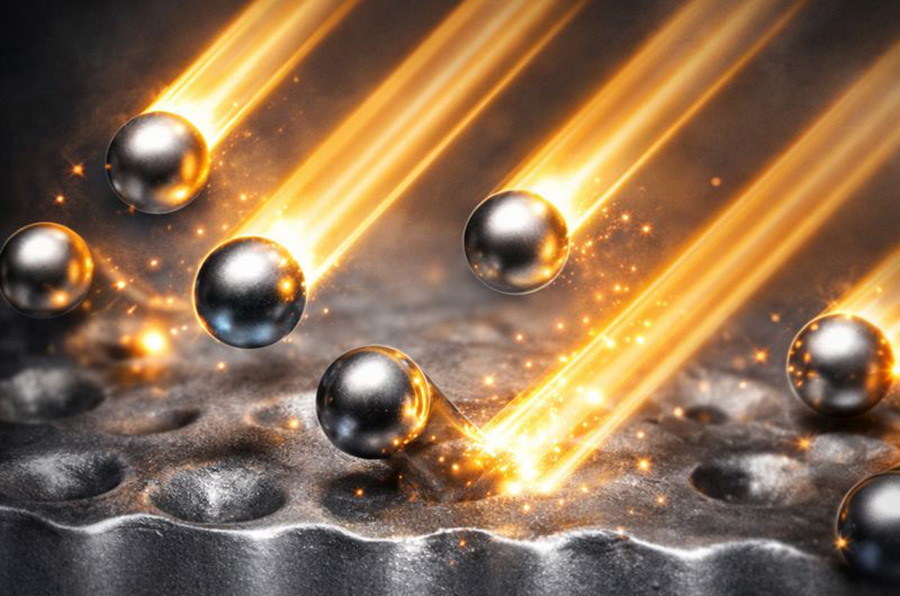
TNP Shot Peening is a controlled mechanical surface modification process in which high-energy media impacts the metal surface to induce a compressive residual stress layer.
This compressive stress counteracts tensile stresses generated during operation, significantly improving resistance to fatigue cracking and stress-related failures without altering the base material structure or component geometry.
Key Engineering Benefits
-
Increased fatigue life under cyclic loading
-
Improved resistance to crack initiation and propagation
-
Enhanced surface integrity and structural reliability
-
Reduced surface friction and improved sliding behavior
-
Enhanced material flow and reduced flow resistance in contact areas
-
Reduced risk of stress corrosion cracking
-
No thermal input or metallurgical distortion
-
Suitable for complex geometries and precision components
Applicable Components
TNP Shot Peening is suitable for a wide range of metal components, including:
Plastic & Extrusion Machinery
-
Screws and core shafts
-
Extrusion dies and die heads
-
Mold cores and inserts
-
Drive shafts and spindles
Cutting Tools & Precision Components
-
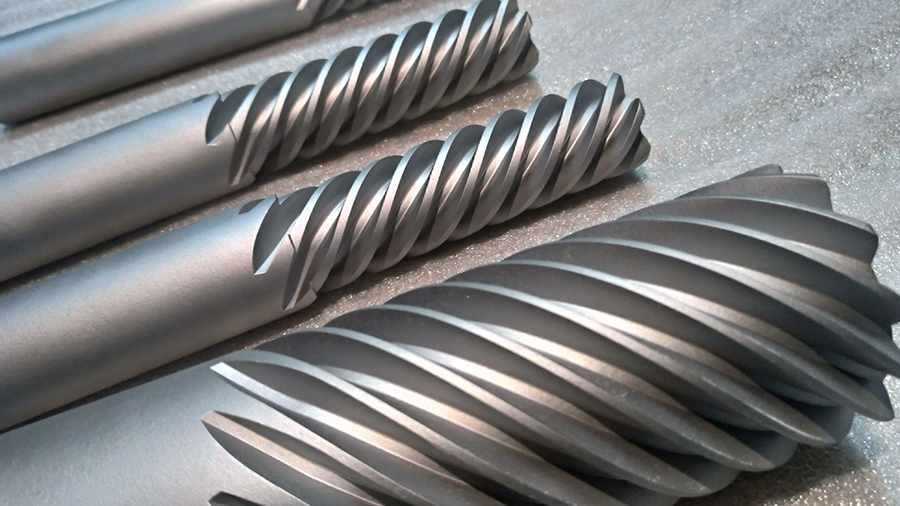
Milling cutters
-
Tool holders
-
Precision rotating components
General Industrial Components
-
Gears and transmission parts
-
Springs and fasteners
-
Structural and load-bearing components
-
Custom machined metal parts
Component suitability is evaluated based on geometry, material, and operating conditions.